Loneliness in seniors isn’t just an emotional concern—it’s a serious health issue that can affect both mental and physical well-being. Studies have shown that social isolation in older adults can lead to increased risk of depression, cognitive decline, and even cardiovascular problems.
That said, the right living environment makes all the difference. An independent living community offers far more than just a place to call home. It creates a vibrant ecosystem where meaningful connections happen naturally, every single day.
At Prime Independent Living, we’ve witnessed firsthand how the power of genuine community transforms lives. Here are five ways an independent living community helps residents build lasting friendships and combat the isolation that too many older adults face.
1. Thoughtfully Designed Community Spaces That Encourage Connection
Architecture and design play a surprisingly important role in fostering social bonds. Independent living communities are intentionally planned with shared spaces that naturally bring people together. From cozy gathering areas with comfortable seating to outdoor patios perfect for morning coffee, these spaces create countless opportunities for spontaneous conversations and new friendships.
Walking down a hallway to check your mail becomes a chance to chat with neighbors. Relaxing in a common area with a book might lead to discovering a shared interest with the person in the next chair. These organic moments of connection are what transform a building into a true community.
Many communities feature libraries, craft rooms, game areas, and lounges specifically designed to encourage residents to step out of their apartments and engage with one another. Unlike living alone in a traditional home, where isolation can creep in unnoticed, these shared spaces make it effortless to be part of something bigger.
2. A Robust Calendar of Activities and Events
One of the most significant benefits of independent living is access to a full social calendar that requires zero planning on your part. From fitness classes and art workshops to themed parties, there’s always something happening. This variety ensures that everyone can find activities that match their interests and energy levels.
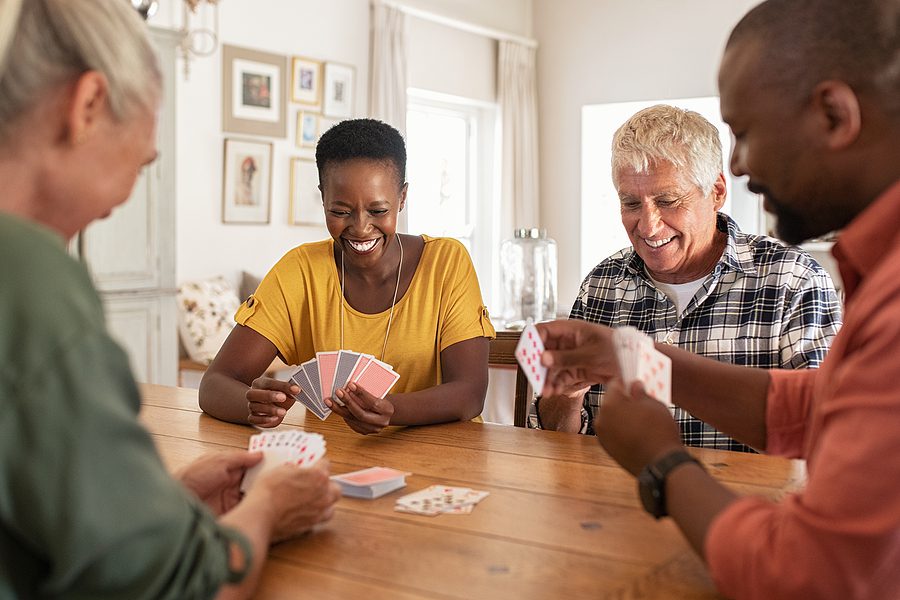
Group exercise classes such as yoga, water aerobics, or walking clubs not only support physical health—they also foster accountability and camaraderie. Craft groups, book clubs, and gardening activities attract people with shared passions, making it easy to form friendships around common interests. Movie nights, game tournaments, and live entertainment provide relaxed settings where laughter and conversation flow naturally.
Perhaps most importantly, having a full calendar means there’s always a reason to get out and participate. This structure can be incredibly valuable for older adults who might otherwise spend days without meaningful social interaction. And because these activities happen right where you live, there’s no need to drive across town or worry about transportation.
3. Shared Dining Experiences That Nourish Body and Soul
Mealtimes are about more than just food. They’re opportunities for connection, conversation, and community. Shared dining experiences in independent living communities transform solitary meals into social occasions that residents genuinely look forward to.
Many communities offer restaurant-style dining with flexible hours, allowing residents to enjoy chef-prepared meals without the planning, shopping, and cleanup that come with cooking at home. More importantly, the dining room becomes a natural gathering place where friendships deepen over shared meals and good conversation.
Whether it’s joining a regular table of friends for dinner or meeting someone new over lunch, these daily dining opportunities create consistent touchpoints that help combat loneliness in seniors. Special dining events—holiday celebrations, themed dinners, or local-cuisine nights—add excitement and give residents something to look forward to together.
For those who love to cook, having a full kitchen in their apartment means they can still prepare their favorite recipes when the mood strikes. But knowing there’s a welcoming dining room and friendly faces waiting makes it easy to step out and socialize whenever they choose.
4. Built-In Social Networks and Peer Support
When you move into an independent living community, you’re not just getting a new address—you’re joining a ready-made social network of peers who understand what this stage of life is about.
These built-in connections can be especially valuable for older adults who have experienced the loss of a spouse, moved to a new area, or found their social circles shrinking over time. Residents quickly discover that help and companionship are always nearby.
Need someone to accompany you to a local event? Want a walking buddy? Looking for advice about navigating a new challenge? Your neighbors become a natural support system, creating a sense of security and belonging that’s hard to replicate when living alone.
Many communities facilitate these connections through newcomer programs, resident committees, and volunteer opportunities that provide opportunities to contribute and connect. Some residents organize their own interest groups, from bridge clubs to investment discussion circles.
The beauty of these built-in social networks is that friendships form naturally, without pressure. You see the same friendly faces at activities, in the hallways, and at meals, fostering relationships at a comfortable pace.
5. Opportunities for Purpose and Engagement
Another powerful way that independent living communities combat isolation is by providing opportunities for residents to stay engaged and maintain a sense of purpose. Retirement doesn’t mean the end of contribution. Instead, it gives you the freedom to pursue what matters most to you.
Many communities organize volunteer opportunities, allowing residents to give back to local causes they care about. Others feature resident councils that give community members a voice in planning activities and improving community life. These leadership roles help residents feel valued and connected to something meaningful.
Educational programs, whether through guest speakers, classes, or group discussions, keep minds active and provide natural conversation starters. Day trips to local attractions, cultural events, and restaurants provide residents with shared experiences and memories to discuss long after they return home.
The overall benefits of independent living extend beyond just having neighbors nearby. It’s about creating an environment where older adults can continue to grow, learn, and contribute, surrounded by supportive peers on similar journeys.
Finding Your Place at Prime
Social isolation doesn’t have to be an inevitable part of aging. The right independent living community creates an environment where connection happens naturally, where friends are right outside your door, and where every day brings opportunities for meaningful engagement.
Since the Prime team handles housekeeping and maintenance, our community members can focus on resident priorities such as building friendships, trying new activities, and living their best lives. From our modern apartments with full kitchens to our vibrant social calendars and flexible-hours dining, every aspect of our communities is designed with connection in mind.
If you or a loved one is experiencing loneliness among seniors, exploring an independent living community may be the right next step. We invite you to visit one of our communities, join us for a meal, and experience firsthand how genuine community can transform the retirement years into some of life’s most fulfilling chapters!